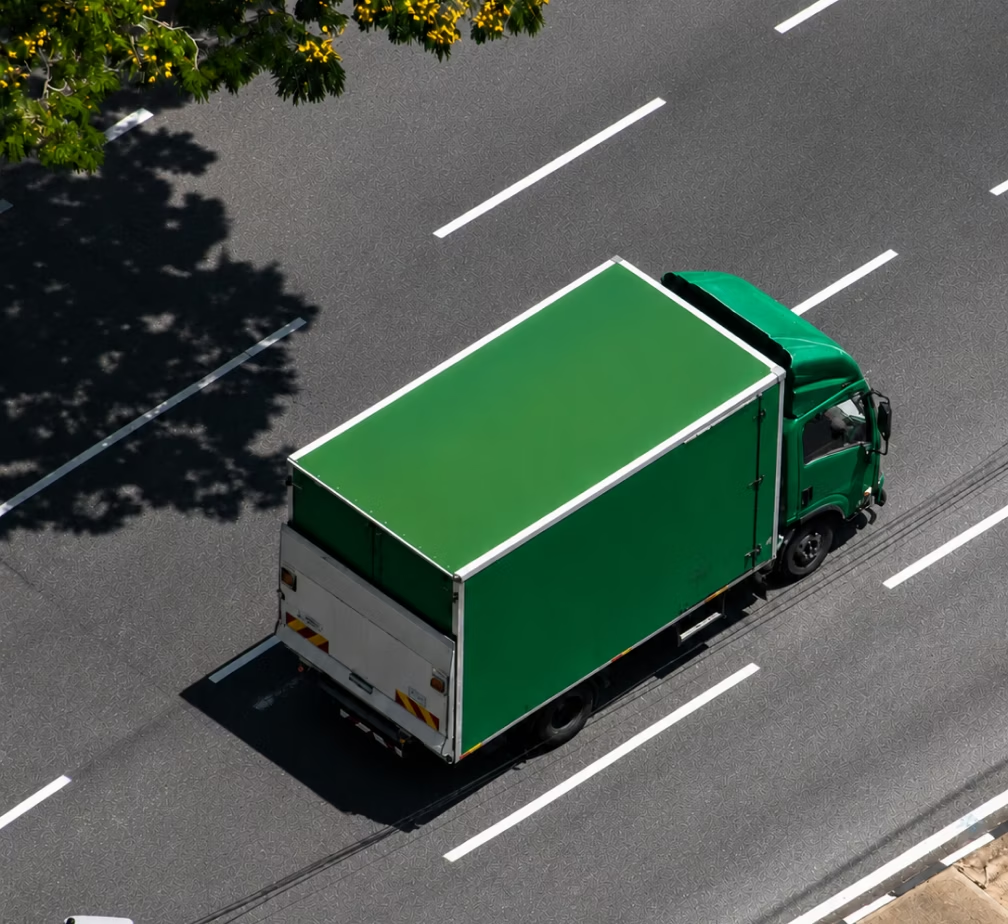
Driving efficiency in long haul freight and highway transit
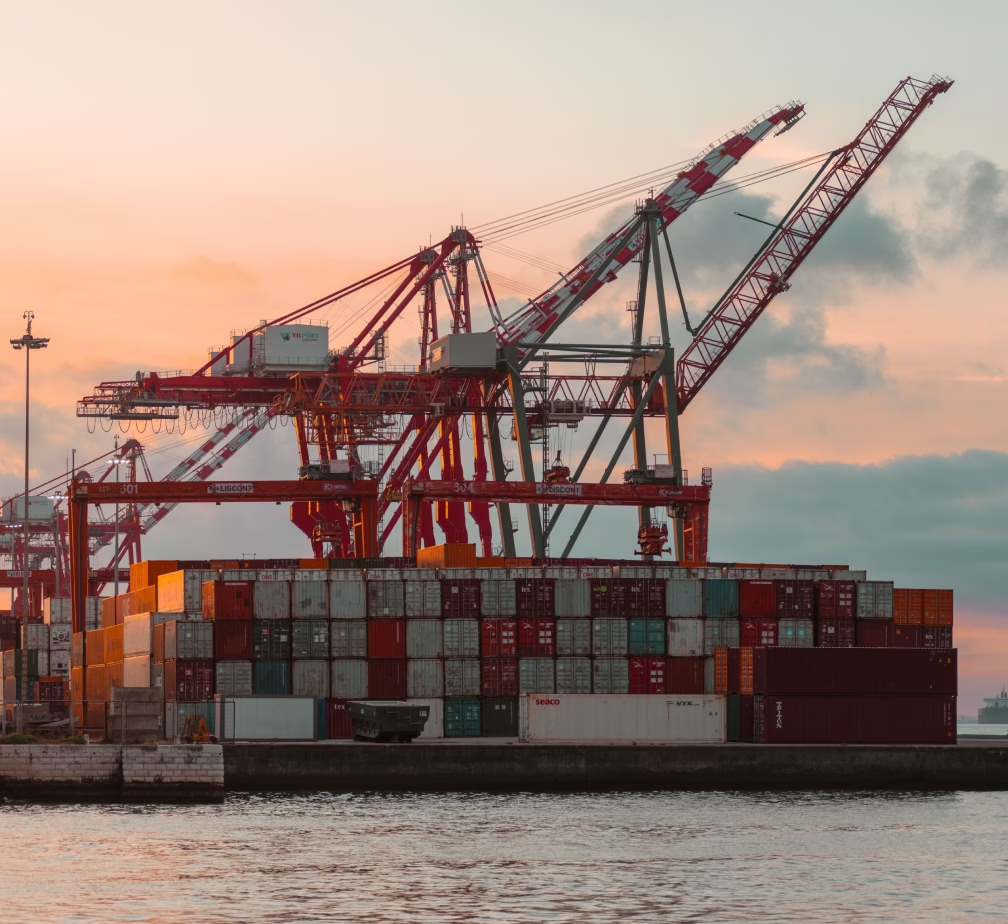
Ocean freight keeps global supply chains moving by connecting major ports, supporting international trade, and transporting large cargo volumes
The future of smart logistics: 5 trends transforming global supply chains
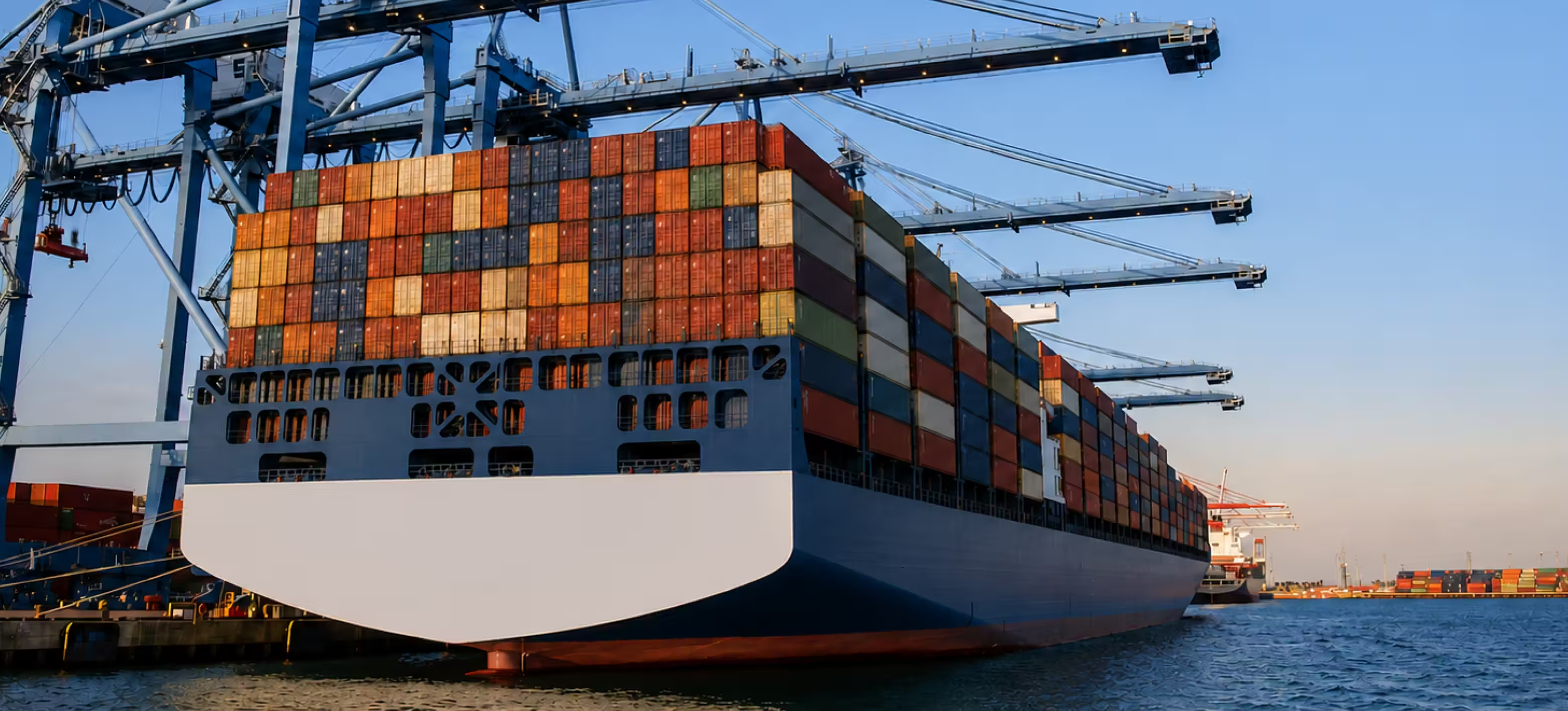
The logistics industry is entering a new era driven by innovation, automation, and smarter transportation solutions. As businesses demand faster, safer, and more efficient deliveries, ocean freight networks are leveraging dynamic route diversions and digital port scheduling to bypass congested shipping lanes. Ocean freight networks are leveraging dynamic route diversions and digital port scheduling to bypass congested shipping lanes. Ocean freight networks are leveraging dynamic route diversions and digital port scheduling to bypass congested shipping lanes
Why it matters
Modern ocean logistics plays a critical role in connecting global commerce. With growing demand for predictable transit windows and cost-effective shipping, companies are adopting technology-driven maritime strategies that reduce port delays and lower storage surcharges
Key benefits include
- Real-time vessel tracking & ETA forecasting
- Dynamic port diverting & anchor time minimization
- Pre-arrival customs compliance management
- Integrated intermodal rail & truck offloading
Results and impact
These maritime innovations are transforming ocean transport into a more resilient, transparent network. Shippers implementing flexible routing achieve reduced demurrage fees, improved delivery schedules, and higher supply chain agility
Looking ahead
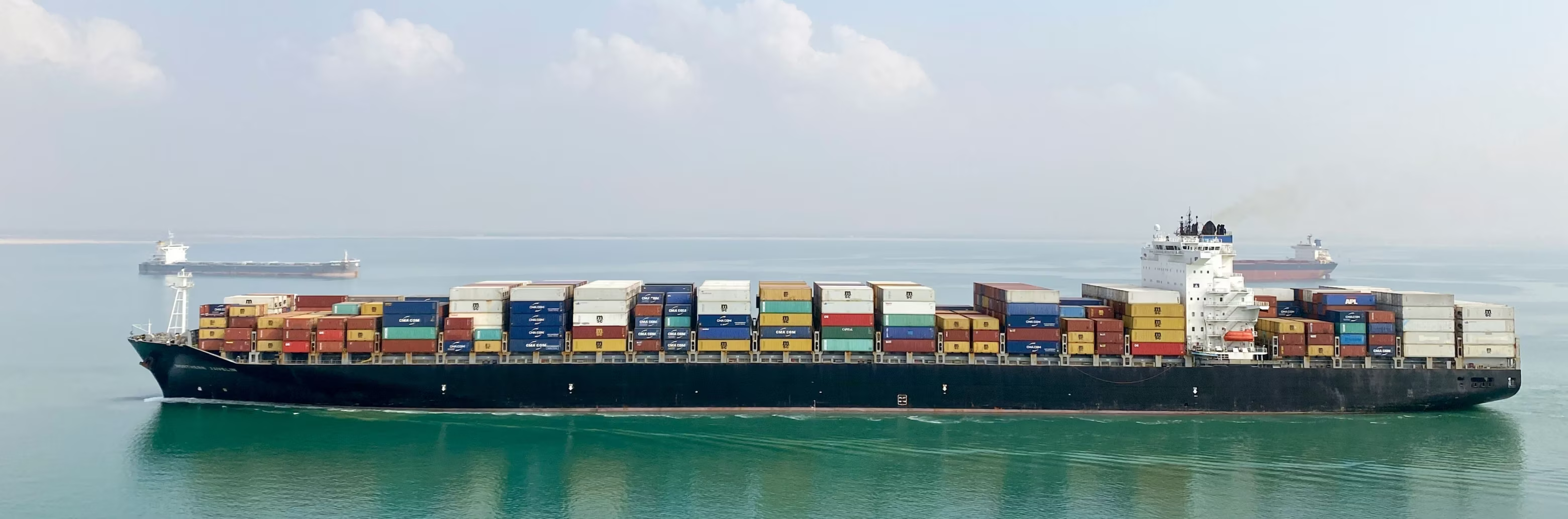
The maritime logistics sector is moving toward cleaner, data-driven transit. By integrating automated port scheduling and green vessel protocols, global brands can build stronger supply chains while hitting long-term sustainability goals