Technology transforming modern road transportation systems for better efficiency
Roadwork creates logistics challenges, but smart route planning and real-time coordination help businesses maintain smooth cargo movement
Solving final-mile urban delivery challenges with micro-fulfillment
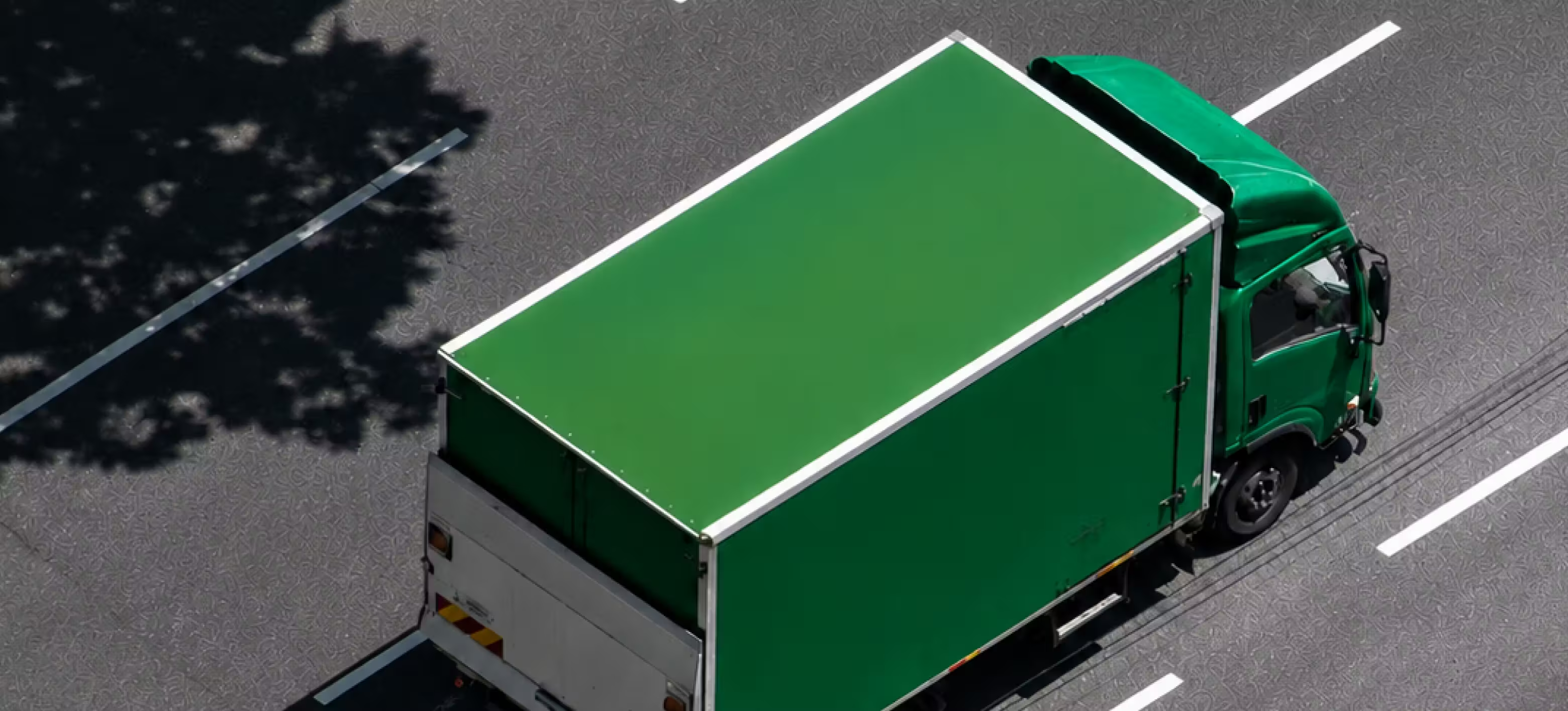
Solving final-mile urban delivery challenges using strategically positioned neighborhood micro-fulfillment centers, dynamic delivery window grouping, temperature-controlled transit vans, and real-time route optimization to bypass city traffic gridlock, lower final-mile delivery costs, prevent product spoilage, and maintain high customer satisfaction rates for retail brands operating across high-density Metropolitan distribution markets. Prevent product spoilage, and maintain high customer satisfaction rates for retail brands operating across high-density Metropolitan distribution markets
Why it matters
Last-mile delivery represents the most expensive and time-sensitive Segment of the entire supply chain. Positioning inventory closer to urban populations inside micro-fulfillment hubs enables rapid order turnaround while shortening driver transit routes. Combining localized storage with dynamic fleet dispatching reduces vehicle idle time in city traffic, ensuring consumers receive their packages quickly, reliably, and safely
Key benefits include
- Strategic urban micro-fulfillment placement
- Dynamic time-slot delivery scheduling
- Enhanced driver safety and schedule adherence
- Reduced onsite warehouse footprint
Results and impact
Brands optimizing their urban last-mile networks enjoy higher delivery success rates and lower city transit surcharges. Implementing localized micro-hubs and flexible vehicle fleets protects product quality during transit, lowers driver overtime expenses, and establishes a seamless final delivery experience that builds long-term customer loyalty
Looking ahead
The logistics industry is moving toward a smarter and more connected future. With continuous advancements in technology, automation, and sustainable practices, businesses can build stronger supply chains and improve operational performance. By adopting innovative logistics solutions, companies can achieve greater efficiency, faster transportation, and long-term growth in an evolving, fast-paced global market