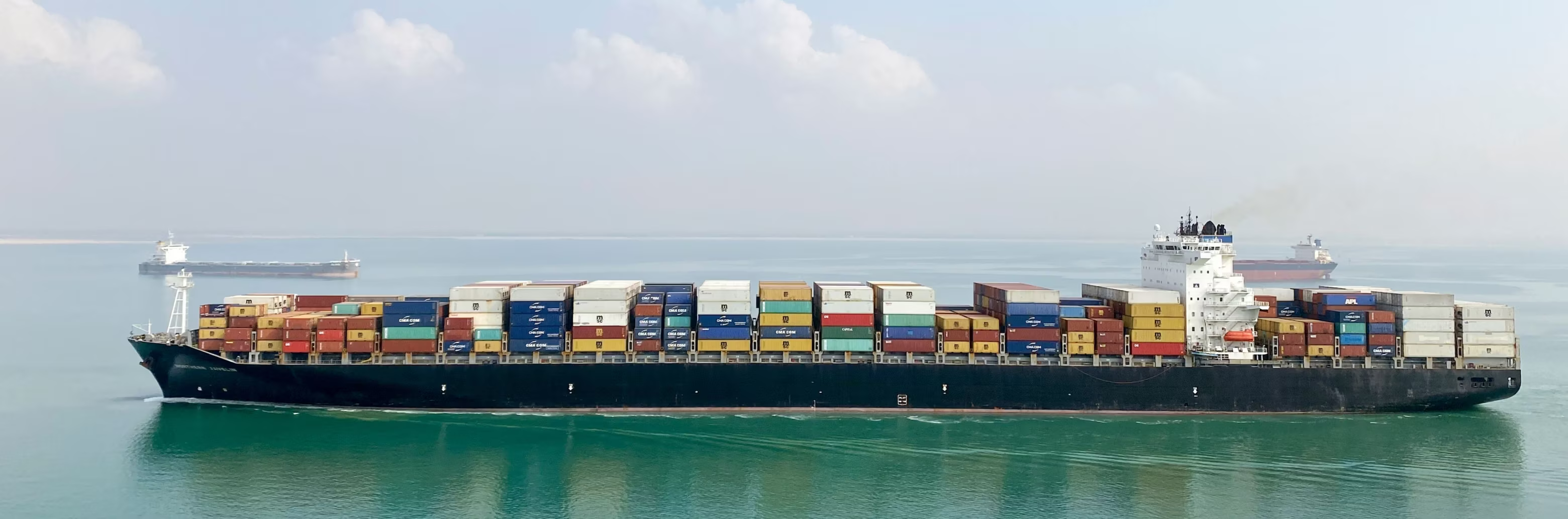
Container shipping powering global trade across major markets
Modern warehousing improves distribution by organizing inventory, reducing processing delays, and supporting faster supply chain operations
Balancing shipping capacity, transit costs, and eco sustainability
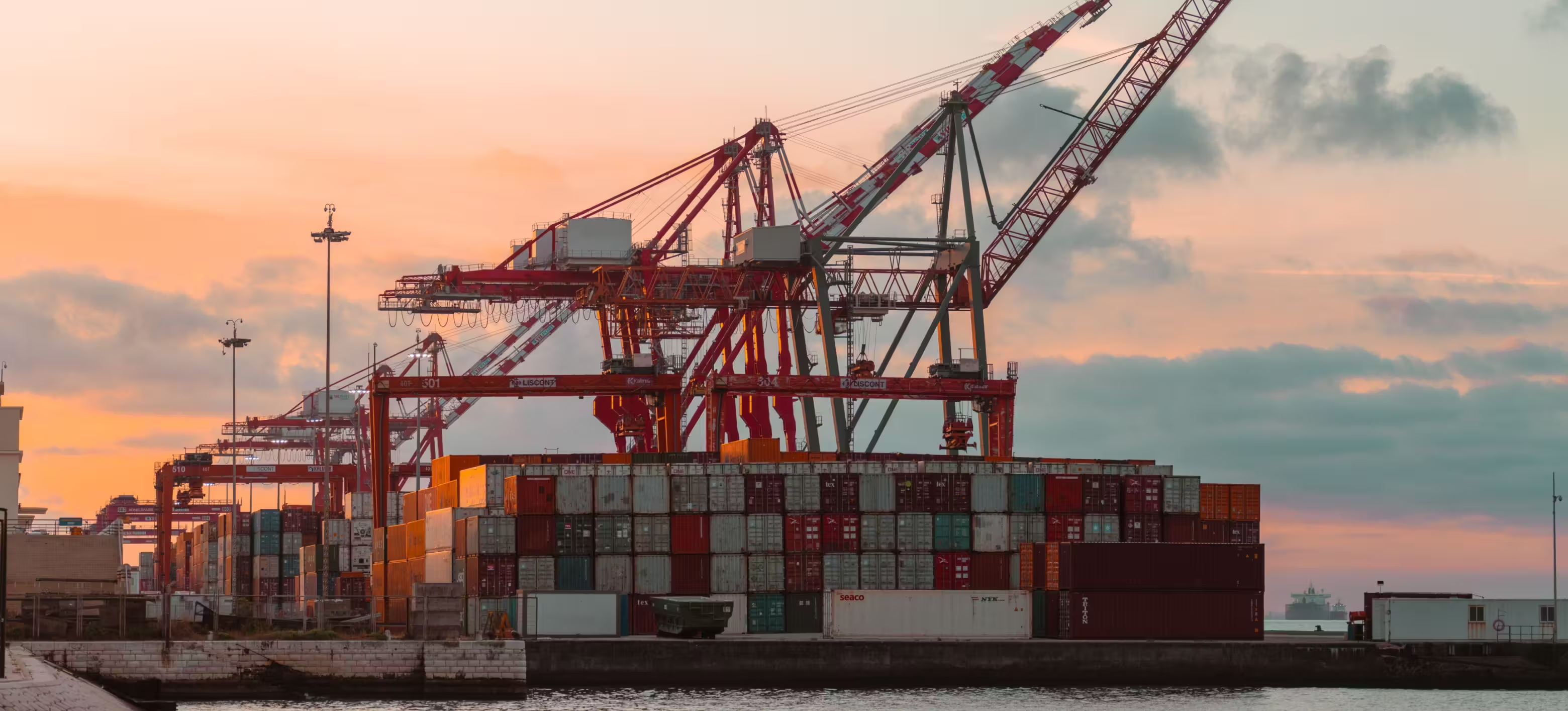
Balancing shipping capacity, transit costs, and environmental sustainability by integrating ocean container vessels, long-haul freight rail networks, and regional trucking fleets into a seamless intermodal logistics framework that lowers fuel consumption surcharges, expands long-distance cargo volume capacity, reduces highway congestion, and delivers reliable, predictable shipping performance across major continental supply chain trade lanes
Why it matters
Rising highway freight rates and driver shortages make intermodal rail transport an attractive solution for moving heavy volume over long distances. Combining rail efficiency with flexible regional trucking allows businesses to optimize logistics budgets while reducing environmental impact. Modern intermodal yards offer fast container transfers, ensuring that goods move smoothly between tracks, ports, and final delivery locations
Key benefits include
- Lower shipping cost-per-ton over long distances
- Dynamic time-slot delivery scheduling
- Enhanced driver safety and schedule adherence
- Reduced onsite warehouse footprint
Results and impact
Companies integrating rail intermodal freight into their logistics mix achieve consistent schedule predictability and lower shipping costs per ton. Intermodal shipping protects businesses from fuel price volatility, reduces highway carbon footprints, and expands long-haul carrying capacity without requiring investments in additional trucking equipment
Looking ahead
The logistics industry is moving toward a smarter and more connected future. With continuous advancements in technology, automation, and sustainable practices, businesses can build stronger supply chains and improve operational performance. By adopting innovative logistics solutions, companies can achieve greater efficiency, faster transportation, and long-term growth in an evolving, fast-paced global market